Editorial Board
Editorial Board
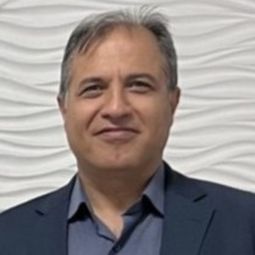
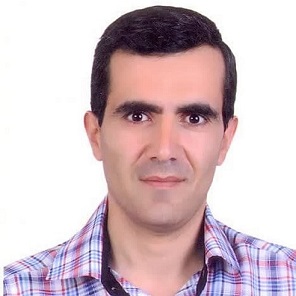
Professor Mohammad Taghi Sattari
Dr. Mohammad Taghi Sattari is a distinguished Professor in the Department of Water Engineering at the University of Tabriz, Iran, with a specialized focus on hydroinformatics. He earned his Ph.D. from Ankara University in Turkey, fostering a strong and ongoing international collaboration, which includes a role as a Guest Researcher at Ankara University.
A prolific and top-awarded researcher in his field, Dr. Sattari has authored over 100 peer-reviewed publications. His research is centered on the application of advanced data mining, artificial intelligence, and deep learning techniques to solve complex challenges in hydrology and water resources. His work encompasses a wide range of critical areas, including reference evapotranspiration modeling, drought prediction, reservoir operation optimization, water quality assessment, and sediment transport.
Dr. Sattari's expertise bridges the gap between theoretical computational models and practical water management, making significant contributions to sustainable agricultural and environmental water use, with a particular focus on the Urmia Lake basin and other critical regions.
A prolific and top-awarded researcher in his field, Dr. Sattari has authored over 100 peer-reviewed publications. His research is centered on the application of advanced data mining, artificial intelligence, and deep learning techniques to solve complex challenges in hydrology and water resources. His work encompasses a wide range of critical areas, including reference evapotranspiration modeling, drought prediction, reservoir operation optimization, water quality assessment, and sediment transport.
Dr. Sattari's expertise bridges the gap between theoretical computational models and practical water management, making significant contributions to sustainable agricultural and environmental water use, with a particular focus on the Urmia Lake basin and other critical regions.
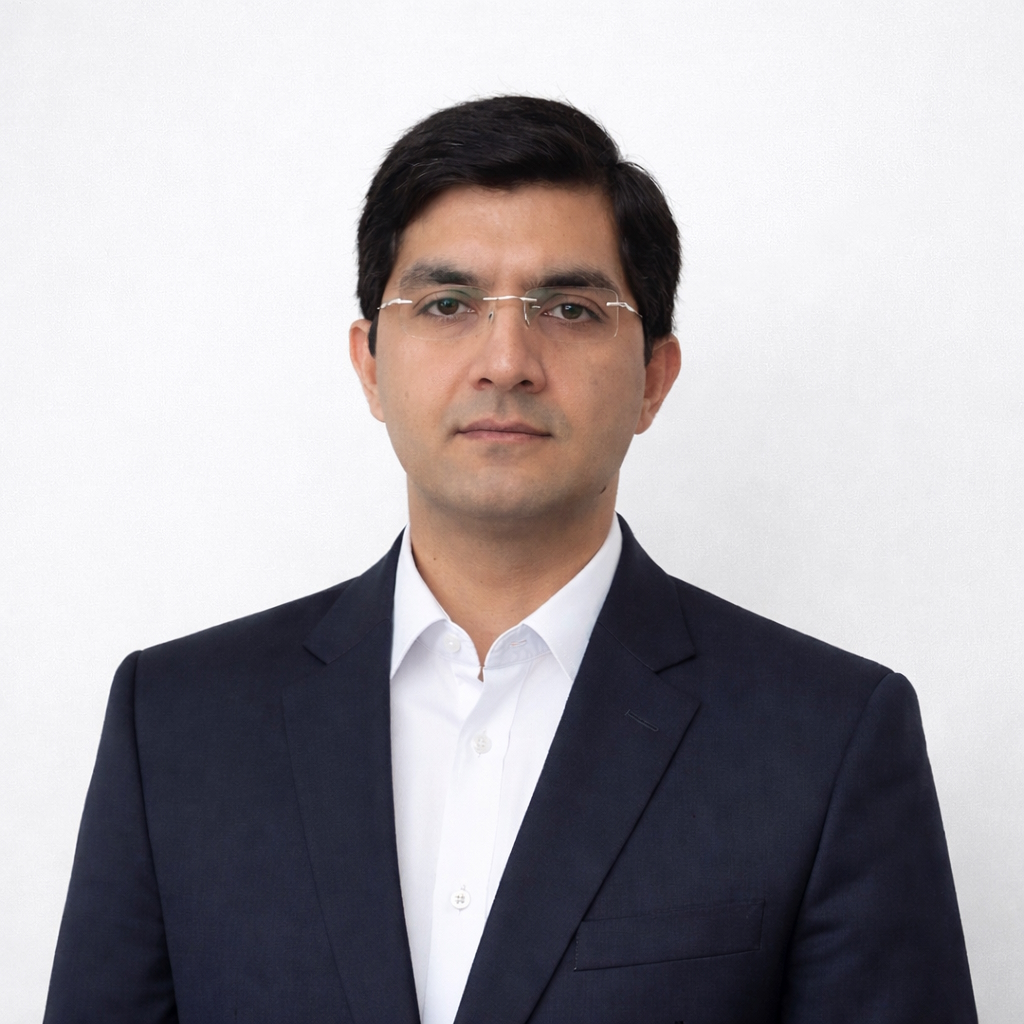
Assoc. Prof. Dr. Saeed Samadianfard focuses on hydrology and water resources, environmental and numerical modeling, and the application of artificial intelligence techniques including machine learning, deep learning, and artificial neural networks to model complex hydrological and environmental processes. His research interests encompass data analysis, remote sensing applications in water resources, and Earth science based approaches to address challenges such as evapotranspiration estimation, drought forecasting, sediment transport modeling, soil temperature prediction, and water quality assessment. He also explores the integration of satellite-derived data with intelligent models to improve the accuracy and reliability of hydrological predictions. His work emphasizes developing data-driven, adaptive modeling frameworks that support sustainable water management under changing climatic conditions.
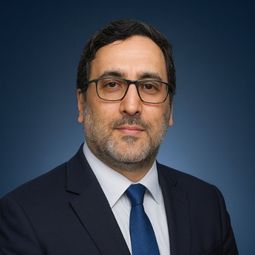
Rasoul Mirabbasi is an Associate Professor of Hydrology and Water Resources Engineering at Shahrekord University, Iran. He also served as the head of the Water Resources Center at Shahrekord University from 2018 to 2023. He studied Irrigation Engineering at the Department of Water Engineering, Shahid Bahonar University of Kerman, Iran, and graduated in 2004. In 2007, he received his master's degree in Hydraulic Structures from Shahid Bahonar University of Kerman. He earned his PhD in Water Resources Engineering from the Department of Water Engineering, University of Tabriz, Iran, in 2013. He was a visiting scholar at the University of Connecticut, USA (2013), and a visiting researcher at the University of Oulu, Finland (2023). His research focuses mainly on statistical and environmental hydrology and climate change. In particular, he works on modeling natural hazards such as floods, droughts, wind, and pollution toward a sustainable environment. He has contributed to more than 190 journal articles, 3 textbooks, 4 edited reference books—including Integrated Drought Management (two volumes), Agricultural Impacts of Climate Change, and Applied Agricultural Practices for Mitigating Climate Change—8 book chapters, and 123 conference papers. He has served on the editorial boards of 4 journals and as a reviewer for about 40 Web of Science (ISI) journals. His Google Scholar profile lists 3,506 citations, an h-index of 30, and an i10-index of 55.
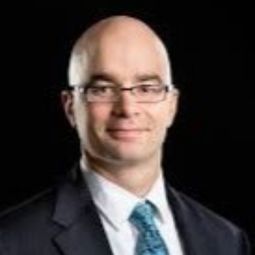
John P. Abraham, Ph.D. is a distinguished Professor of Mechanical Engineering at the University of St. Thomas, USA with extensive expertise in heat transfer, fluid mechanics, and climate science. An accomplished researcher and author of approximately 500 publications, including books, journal articles, and conference presentations, his work spans biological heat transfer, biomedical device design, renewable energy, and climate change. He has received numerous awards, including the Advances in Atmospheric Sciences Notable Paper Award (2024) and the National Center for Science Education's Friend of the Planet Award (2016). Dr. Abraham also serves as Vice President of Research at WTS LLC, leading solar-electrical-thermal research initiatives. With a strong record of securing research funding (totaling nearly $25 million) and holding multiple patents, he is a leading voice in both academic and applied engineering, contributing significantly to public understanding of science through media engagement and climate communication.
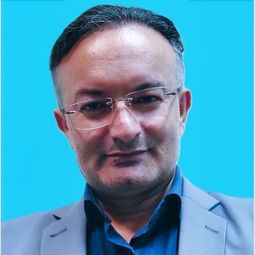
Prof. Mohammad Mosaferi is an Environmental Health specialist with a Ph.D. from Tehran University of Medical Sciences and over twenty years of experience in water quality, environmental pollution, and public health. He currently serves as a Professor of Environmental Health at Tabriz University of Medical Sciences (TBZMED).
His research and professional work focus on sustainable water quality management, pollution control, and the integration of health risk assessment into environmental policy and education. His specific academic interests encompass water treatment, river pollution monitoring, arsenic contamination and remediation, environmental epidemiology, wastewater management, environmental and health impact assessment, waste management, and soil and mining pollution.
Prof. Mosaferi teaches a broad spectrum of undergraduate and graduate courses, including Advanced Water Treatment, Environmental and Health Impact Assessment, Water Quality Management, and Environmental Chemistry.
His research and professional work focus on sustainable water quality management, pollution control, and the integration of health risk assessment into environmental policy and education. His specific academic interests encompass water treatment, river pollution monitoring, arsenic contamination and remediation, environmental epidemiology, wastewater management, environmental and health impact assessment, waste management, and soil and mining pollution.
Prof. Mosaferi teaches a broad spectrum of undergraduate and graduate courses, including Advanced Water Treatment, Environmental and Health Impact Assessment, Water Quality Management, and Environmental Chemistry.
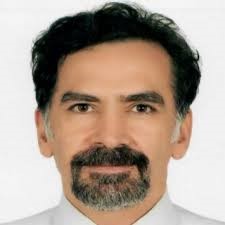
Dr. Halit Apaydin is a Professor in the Department of Agricultural Engineering at Ankara University, Turkey, where he has built a distinguished career in hydrology and water resources engineering. He completed his entire academic training, from undergraduate to Ph.D., at Ankara University. His extensive research portfolio focuses on the application of advanced computational techniques to solve complex environmental challenges. A significant part of his work involves developing and applying artificial intelligence, deep learning, and data-driven models for hydrological forecasting, including streamflow, evapotranspiration, and sediment load estimation. Furthermore, his expertise encompasses water quality assessment, irrigation management, drought analysis, and the use of Geographic Information Systems (GIS) for spatial hydrological studies.
Dr. Apaydin maintains an active and prolific international collaboration network, co-authoring numerous high-impact publications with researchers from Iran, Pakistan, and across Europe. His work effectively bridges the gap between theoretical modeling and practical water resource management, contributing to more sustainable agricultural and environmental practices.
Dr. Apaydin maintains an active and prolific international collaboration network, co-authoring numerous high-impact publications with researchers from Iran, Pakistan, and across Europe. His work effectively bridges the gap between theoretical modeling and practical water resource management, contributing to more sustainable agricultural and environmental practices.
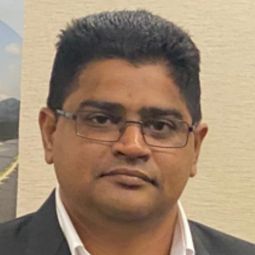
Dr. Ramendra Prasad is a prolific researcher with a distinguished career in applied computational intelligence for sustainable development. His expertise lies at the intersection of renewable energy, environmental forecasting, and climate change mitigation, with a strong focus on developing advanced AI and machine learning models.
His extensive publication record includes numerous high-impact papers in leading journals, where he has pioneered hybrid forecasting models for solar radiation, wind speed, wave energy, evapotranspiration, and air quality. A significant portion of his work is dedicated to addressing the unique environmental and energy challenges faced by Small Island Developing States (SIDS) in the Pacific.
Beyond his modeling work, Dr. Prasad has actively led and contributed to major international projects, such as the UK-Aid funded Transforming Energy Access-Learning Partnership, and has authored influential policy briefs for think tanks like the Observer Research Foundation. His research provides critical data-driven insights for sustainable resource management, clean energy transition, and climate resilience.
His extensive publication record includes numerous high-impact papers in leading journals, where he has pioneered hybrid forecasting models for solar radiation, wind speed, wave energy, evapotranspiration, and air quality. A significant portion of his work is dedicated to addressing the unique environmental and energy challenges faced by Small Island Developing States (SIDS) in the Pacific.
Beyond his modeling work, Dr. Prasad has actively led and contributed to major international projects, such as the UK-Aid funded Transforming Energy Access-Learning Partnership, and has authored influential policy briefs for think tanks like the Observer Research Foundation. His research provides critical data-driven insights for sustainable resource management, clean energy transition, and climate resilience.
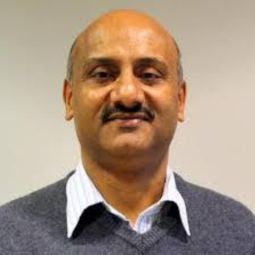
Dr. Mahesh Pal is a Professor in the Department of Civil Engineering at National Institute of Technology Kurukshetra, India, where he has been actively engaged in teaching, research, and academic leadership for over three decades. He holds a PhD and has more than 32 years of teaching and research experience in civil engineering, remote sensing, and geospatial sciences. His primary research interests include classification and feature selection using hyperspectral data, kernel-based and ensemble learning methods, deep learning for remote sensing image classification, image fusion, cloud detection, and the application of soft computing and artificial intelligence techniques in civil engineering and GIS-based applications. Professor Pal has made significant contributions to the integration of advanced machine learning methodologies with civil, environmental, and geospatial engineering problems. He has an outstanding publication record, having authored over 100 journal articles, more than 50 conference papers, and 6 book chapters in reputed international outlets. His research has received widespread global recognition, with more than 14,000 citations on Google Scholar, an h-index of 45, and an i10-index exceeding 90, while his Scopus profile lists over 120 peer-reviewed publications. He has successfully supervised several doctoral scholars, with 6 PhD theses completed and 4 currently in progress. Professor Pal has been actively involved in major externally funded research projects supported by the Department of Science and Technology (DST), Government of India, and the Space Applications Centre (ISRO), focusing on groundwater studies, development of advanced GIS and research facilities, hyperspectral data analysis, and optical–SAR data fusion for land-cover mapping. He is a recipient of prestigious international awards and fellowships, including the Commonwealth Scholarship and Fellowship at the University of Nottingham, UK, and the Fulbright-Nehru Senior Research Fellowship at West Virginia University, USA. He currently serves as an Associate Editor of the International Journal of Remote Sensing and as an Editorial Board Member of Remote Sensing Letters, contributing extensively to the global scientific community.

Dr. Adam Milewski is a Professor of Hydrogeology and Remote Sensing and the Department Head in the Department of Geology at University of Georgia. He earned his PhD in Hydrogeology from Western Michigan University in 2008 and his BS in Geology from the State University of New York at Buffalo in 2004. Professor Milewski has developed an internationally recognized research program that addresses complex and interconnected geologic and environmental challenges using an integrated framework of field-based observations, remote sensing, UAVs, GIS, machine learning, numerical and physical modeling, and geochemical and geophysical analyses. His research places strong emphasis on environmental sustainability, climate change impacts, hydrologic extremes, and water-resource resilience, with recent work expanding into decarbonization solutions such as carbon capture and storage and geologic hydrogen. His scholarship is organized around four interconnected themes: understanding dryland hydrologic processes and aquifer dynamics, assessing environmental change and hazards including floods, sinkholes, harmful algal blooms, and sea-level rise, analyzing coupled human–climate–hydrologic systems, and reconstructing present and past groundwater dynamics. Professor Milewski has served as principal investigator or co-principal investigator on numerous major research grants funded by the U.S. Department of Energy, National Science Foundation, NASA, U.S. Coastal Research Program, National Park Service, National Fish and Wildlife Service, and international agencies, spanning projects across the United States, Middle East, North Africa, and Europe. He has published extensively in leading journals such as Journal of Hydrology, Remote Sensing, Water, and Advances in Water Resources, with his Google Scholar profile reporting over 2,700 citations, an h-index of 28, and an i10-index of 40. Professor Milewski is the founder and director of the Water Resources and Remote Sensing Laboratory and the co-founder of the ARCHES program, and he has received multiple recognitions for excellence in research, teaching, and service while mentoring graduate students and early-career scientists worldwide.
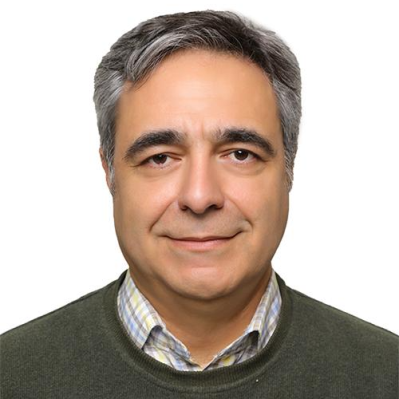
Dr. Rasoul Daneshfaraz is a Professor of Civil Engineering specializing in Hydraulic Structures at the Faculty of Engineering, with academic affiliations to the University of Maragheh (Iran) and Recep Tayyip Erdoğan University (Türkiye). He obtained his MSc (2000–2003) and PhD (2003–2008) in Hydraulic Structures Engineering from Ege University, Türkiye. Over the years, Dr. Daneshfaraz has developed a robust research program focusing on hydraulic engineering, particularly in the areas of open-channel flow, energy dissipation, hydraulic jumps, spillways, stepped weirs, sluice gates, and fishway hydraulics. His research also covers sedimentation processes and local scour around hydraulic and bridge structures. A distinctive feature of his recent work is the integration of computational and data-driven methods, combining numerical modeling, laboratory experimentation, and machine-learning techniques. This includes the use of CFD tools like Flow-3D, along with machine learning approaches such as Artificial Neural Networks (ANN), Support Vector Machines (SVM), and Genetic Programming (GEP). These methods aim to enhance the prediction and design of key hydraulic performance parameters, including discharge coefficients, scour, and energy loss mechanisms. Dr. Daneshfaraz's contributions have been published widely, with a substantial body of work in peer-reviewed journals and conferences, spanning topics such as labyrinth weirs, broad-crested weirs, and sustainable hydraulic energy dissipation solutions. His research impact is reflected in his citation record, with over 2,900 citations and an h-index of 30, indicating significant academic recognition. His Google Scholar profile also shows over 90 publications and several thousand citations, demonstrating the broad reach and influence of his work in hydraulic engineering and water resources.
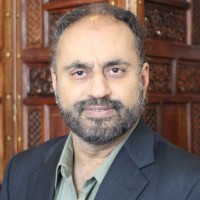
Dr. Sajjad Ahmad, is a Professor and former Department Chair (2017–2023) in the Department of Civil and Environmental Engineering and Construction at the University of Nevada, Las Vegas (UNLV), where he has served on the faculty since 2006, progressing from Assistant Professor (2006–2011) to Associate Professor (2011–2016) and Professor (2016–present). He earned his PhD in Civil and Environmental Engineering from the University of Western Ontario, Canada (2002), an M.Eng. in Civil Engineering from the Asian Institute of Technology in Bangkok, Thailand (1996), and a BSc in Civil Engineering from the University of Engineering and Technology, Lahore, Pakistan (1991). Dr. Ahmad’s work applies a systems approach, often combining hydroinformatics, system dynamics, and hydroclimatology to understand and manage complex water and environmental systems and to develop decision-support tools for sustainable resource management. His research spans urban water management under population growth and climate variability, the water–energy nexus, long lead-time streamflow estimation using ocean–atmosphere indices, and stormwater management, supported by major funding from agencies such as NSF, USAID, EPA, and NOAA, including an NSF CAREER award and large multi-institutional initiatives focused on climate and infrastructure resilience. A licensed Professional Engineer in Michigan since 2005, he was named a Fellow of the American Society of Civil Engineers (2022) and a Fellow of ASCE’s Environmental and Water Resources Institute (2023). His contributions have been recognized through numerous honors, including the Harry Reid Silver State Research Award (2025) and UNLV awards for leadership, research, service, and mentoring.
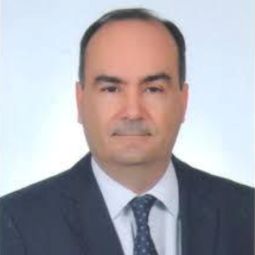
Dr. Orhan Gündüz is a Professor in the Department of Environmental Engineering at İzmir Institute of Technology, where he also serves as the head of the Environmental Informatics and Modeling Laboratory. He completed his undergraduate education in Environmental Engineering at Middle East Technical University in 1994 and earned his master’s degree from the same institution between 1994 and 1997. He then pursued graduate studies at the Georgia Institute of Technology, USA, receiving an M.S. in Civil Engineering (1998–2000) followed by a PhD in Environmental Engineering (2000–2004). Prof. Gündüz has developed a distinguished research career focused on surface and subsurface water quality, environmental and numerical modeling, flow and contaminant transport in coupled surface–subsurface systems, dynamic source–sink representations, environmental impact assessment, and the application of geographic information systems in environmental engineering. His recent work integrates satellite remote sensing, data-driven and physics-based models, and environmental informatics to address emerging challenges such as groundwater storage variability, drought analysis, nature-based solutions for water management, and microplastic transport and pollution in riverine and coastal systems. He has authored more than 70 peer-reviewed journal publications indexed in major international databases, with over 2,700 citations, an h-index of 27 on Google Scholar, and an h-index of 21 in Scopus. His research has been published in leading journals including Journal of Hydrology, Environmental Monitoring and Assessment, Remote Sensing, Journal of Environmental Management, and Water, Air, & Soil Pollution. Prof. Gündüz collaborates extensively with national and international researchers and has contributed to interdisciplinary studies spanning hydrology, geochemistry, environmental health, and climate-related water resource management.
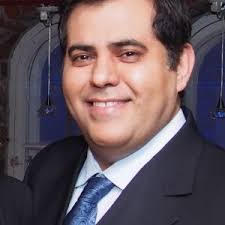
Dr. Ali Torabi Haghighi is a Professor of Water Resources and Environmental Engineering at University of Oulu, where he leads the Hydrosystems Engineering and Management research group within the Water, Energy, and Environmental Engineering Research Unit of the Faculty of Technology. He earned his PhD in Water Resources and Geo-environmental Engineering from the University of Oulu in 2014, following earlier degrees including MSc and BSc in engineering, and has developed a career that bridges academic research, professional engineering practice, and interdisciplinary systems thinking. Prior to his academic appointment in Finland, he served for more than a decade as a dam and irrigation project manager and as an expert in dam safety, rehabilitation, monitoring, and operation at the Fars Regional Water Authority in Iran, and also worked as a lecturer at Islamic Azad University. His research addresses the dynamics and sustainability of water resources systems, with particular emphasis on lake and river flow regimes, dam and hydropower operation, environmental flows, water–energy–food nexus interactions, cold-climate hydrology, smart irrigation, and the application of remote sensing, digitalization, and machine learning in water resources management. Professor Torabi Haghighi has supervised or co-supervised more than 30 doctoral and master’s theses across Finland, Iran, Italy, and other countries, reflecting his strong commitment to research mentorship and international collaboration. His scholarly output is widely cited, with more than 7,000 citations, an h-index of 45, and over 130 i10-indexed publications on Google Scholar, including influential articles in journals such as Journal of Hydrology, Science of the Total Environment, Global and Planetary Change, and Applied Energy

Dr. Alexandra Gemitzi is a Professor of Environmental Engineering at Democritus University of Thrace, where she specializes in the application of Geographic Information Systems (GIS), remote sensing, and environmental modeling to complex environmental engineering problems. She earned her Bachelor’s degree in Geology from Aristotle University of Thessaloniki in 1993 and completed an MSc in Groundwater Engineering at the University of Newcastle upon Tyne, United Kingdom, in 1995. She received her PhD in 2002 from the Department of Civil Engineering at Aristotle University of Thessaloniki, supported by the National Scholarship Foundation. Before entering academia, Professor Gemitzi accumulated nearly a decade of professional experience as a geologist in both the private and public sectors, an experience that continues to inform the applied orientation of her research and teaching. Her scientific work focuses on environmental systems simulation and assessment, climate and land-use change impacts, groundwater vulnerability and quality, hydrological modeling, and the prediction and risk assessment of extreme natural hazards such as floods, landslides, and droughts. She has authored more than 40 peer-reviewed journal articles and contributed to over 50 international conference proceedings, with highly cited publications in journals including Environmental Geology, Journal of Hydrology, Science of the Total Environment, and GIScience & Remote Sensing. Her research has significantly advanced the integration of fuzzy logic, multi-criteria decision analysis, machine learning, and GIS for environmental risk assessment and sustainable resource management. Professor Gemitzi is also an active educator, teaching undergraduate and postgraduate courses such as GIS, Advanced GIS, Web GIS applications, climate change assessment, and programming with R.

Dr. Aziza Baubekova is a Kazakhstani environmental engineer and water sustainability specialist whose work bridges cold- and arid-region hydrology, climate adaptation, and data-driven decision support. She is currently a Postdoctoral Researcher at the Water, Energy and Environmental Engineering Research Unit at the University of Oulu, Finland, where she contributes to interdisciplinary research on water security under rapid environmental change. Baubekova earned a BSc in Environmental Sciences from the University of Nottingham, followed by an MSc in Environmental Science and Policy through a joint program of the University of Manchester and Central European University. She completed her PhD in Environmental Engineering at the University of Oulu, graduating with excellent standing. Her research integrates ecosystem services, nature-based solutions (NBS), and Water–Energy–Food (WEF) nexus thinking with tools such as GIS, remote sensing, machine learning, and water-system digitalization. She is particularly interested in how co-designed, community-based approaches and indigenous knowledge can strengthen resilience and enable circular, sustainable water use for local stakeholders. Her project experience spans integrated assessments of transboundary basins, analyses of Sustainable Development Goals implementation in Central Asia, and applied studies across the Middle East and Central Asia within the Hydrosystems Engineering & Management group led by Professor Ali Torabi Haghighi. Her current topics include river flow alteration and the restoration of lakes and wetlands in Northern Finland, alongside ongoing work related to the Caspian Sea. With nearly a decade of teaching experience in Kazakhstan, Hungary, and Finland, Baubekova has served as a teaching and laboratory assistant and lecturer for undergraduate and master’s students. She has also pursued formal pedagogical training, earning certification through Advance HE. In addition to her academic roles, she supports the professional community as Vice-Chair of YWP Finland, promoting networking and leadership among early-career water professionals.
Hydroinformatics, Irrigation and Drainage
Assoc. Prof. Dr. Saeed Samadianfard focuses on hydrology and water resources, environmental and numerical modeling, and the application of artificial intelligence techniques including machine learning, deep learning, and artificial neural networks to model complex hydrological and environmental processes. His research interests encompass data analysis, remote sensing applications in water resources, and Earth science based approaches to address challenges such as evapotranspiration estimation, drought forecasting, sediment transport modeling, soil temperature prediction, and water quality assessment. He also explores the integration of satellite-derived data with intelligent models to improve the accuracy and reliability of hydrological predictions. His work emphasizes developing data-driven, adaptive modeling frameworks that support sustainable water management under changing climatic conditions.
Dr. Aziza Baubekova is a Kazakhstani environmental engineer and water sustainability specialist whose work bridges cold- and arid-region hydrology, climate adaptation, and data-driven decision support. She is currently a Postdoctoral Researcher at the Water, Energy and Environmental Engineering Research Unit at the University of Oulu, Finland, where she contributes to interdisciplinary research on water security under rapid environmental change. Baubekova earned a BSc in Environmental Sciences from the University of Nottingham, followed by an MSc in Environmental Science and Policy through a joint program of the University of Manchester and Central European University. She completed her PhD in Environmental Engineering at the University of Oulu, graduating with excellent standing. Her research integrates ecosystem services, nature-based solutions (NBS), and Water–Energy–Food (WEF) nexus thinking with tools such as GIS, remote sensing, machine learning, and water-system digitalization. She is particularly interested in how co-designed, community-based approaches and indigenous knowledge can strengthen resilience and enable circular, sustainable water use for local stakeholders. Her project experience spans integrated assessments of transboundary basins, analyses of Sustainable Development Goals implementation in Central Asia, and applied studies across the Middle East and Central Asia within the Hydrosystems Engineering & Management group led by Professor Ali Torabi Haghighi. Her current topics include river flow alteration and the restoration of lakes and wetlands in Northern Finland, alongside ongoing work related to the Caspian Sea. With nearly a decade of teaching experience in Kazakhstan, Hungary, and Finland, Baubekova has served as a teaching and laboratory assistant and lecturer for undergraduate and master’s students. She has also pursued formal pedagogical training, earning certification through Advance HE. In addition to her academic roles, she supports the professional community as Vice-Chair of YWP Finland, promoting networking and leadership among early-career water professionals.
Hydrology, Hydrometeorology and Water Resources Management
Rasoul Mirabbasi is an Associate Professor of Hydrology and Water Resources Engineering at Shahrekord University, Iran. He also served as the head of the Water Resources Center at Shahrekord University from 2018 to 2023. He studied Irrigation Engineering at the Department of Water Engineering, Shahid Bahonar University of Kerman, Iran, and graduated in 2004. In 2007, he received his master's degree in Hydraulic Structures from Shahid Bahonar University of Kerman. He earned his PhD in Water Resources Engineering from the Department of Water Engineering, University of Tabriz, Iran, in 2013. He was a visiting scholar at the University of Connecticut, USA (2013), and a visiting researcher at the University of Oulu, Finland (2023). His research focuses mainly on statistical and environmental hydrology and climate change. In particular, he works on modeling natural hazards such as floods, droughts, wind, and pollution toward a sustainable environment. He has contributed to more than 190 journal articles, 3 textbooks, 4 edited reference books—including Integrated Drought Management (two volumes), Agricultural Impacts of Climate Change, and Applied Agricultural Practices for Mitigating Climate Change—8 book chapters, and 123 conference papers. He has served on the editorial boards of 4 journals and as a reviewer for about 40 Web of Science (ISI) journals. His Google Scholar profile lists 3,506 citations, an h-index of 30, and an i10-index of 55.
Dr. Ali Torabi Haghighi is a Professor of Water Resources and Environmental Engineering at University of Oulu, where he leads the Hydrosystems Engineering and Management research group within the Water, Energy, and Environmental Engineering Research Unit of the Faculty of Technology. He earned his PhD in Water Resources and Geo-environmental Engineering from the University of Oulu in 2014, following earlier degrees including MSc and BSc in engineering, and has developed a career that bridges academic research, professional engineering practice, and interdisciplinary systems thinking. Prior to his academic appointment in Finland, he served for more than a decade as a dam and irrigation project manager and as an expert in dam safety, rehabilitation, monitoring, and operation at the Fars Regional Water Authority in Iran, and also worked as a lecturer at Islamic Azad University. His research addresses the dynamics and sustainability of water resources systems, with particular emphasis on lake and river flow regimes, dam and hydropower operation, environmental flows, water–energy–food nexus interactions, cold-climate hydrology, smart irrigation, and the application of remote sensing, digitalization, and machine learning in water resources management. Professor Torabi Haghighi has supervised or co-supervised more than 30 doctoral and master’s theses across Finland, Iran, Italy, and other countries, reflecting his strong commitment to research mentorship and international collaboration. His scholarly output is widely cited, with more than 7,000 citations, an h-index of 45, and over 130 i10-indexed publications on Google Scholar, including influential articles in journals such as Journal of Hydrology, Science of the Total Environment, Global and Planetary Change, and Applied Energy
River Engineering, Hydraulics Structures and Sediment
Dr. Rasoul Daneshfaraz is a Professor of Civil Engineering specializing in Hydraulic Structures at the Faculty of Engineering, with academic affiliations to the University of Maragheh (Iran) and Recep Tayyip Erdoğan University (Türkiye). He obtained his MSc (2000–2003) and PhD (2003–2008) in Hydraulic Structures Engineering from Ege University, Türkiye. Over the years, Dr. Daneshfaraz has developed a robust research program focusing on hydraulic engineering, particularly in the areas of open-channel flow, energy dissipation, hydraulic jumps, spillways, stepped weirs, sluice gates, and fishway hydraulics. His research also covers sedimentation processes and local scour around hydraulic and bridge structures. A distinctive feature of his recent work is the integration of computational and data-driven methods, combining numerical modeling, laboratory experimentation, and machine-learning techniques. This includes the use of CFD tools like Flow-3D, along with machine learning approaches such as Artificial Neural Networks (ANN), Support Vector Machines (SVM), and Genetic Programming (GEP). These methods aim to enhance the prediction and design of key hydraulic performance parameters, including discharge coefficients, scour, and energy loss mechanisms. Dr. Daneshfaraz's contributions have been published widely, with a substantial body of work in peer-reviewed journals and conferences, spanning topics such as labyrinth weirs, broad-crested weirs, and sustainable hydraulic energy dissipation solutions. His research impact is reflected in his citation record, with over 2,900 citations and an h-index of 30, indicating significant academic recognition. His Google Scholar profile also shows over 90 publications and several thousand citations, demonstrating the broad reach and influence of his work in hydraulic engineering and water resources.
John P. Abraham, Ph.D. is a distinguished Professor of Mechanical Engineering at the University of St. Thomas, USA with extensive expertise in heat transfer, fluid mechanics, and climate science. An accomplished researcher and author of approximately 500 publications, including books, journal articles, and conference presentations, his work spans biological heat transfer, biomedical device design, renewable energy, and climate change. He has received numerous awards, including the Advances in Atmospheric Sciences Notable Paper Award (2024) and the National Center for Science Education's Friend of the Planet Award (2016). Dr. Abraham also serves as Vice President of Research at WTS LLC, leading solar-electrical-thermal research initiatives. With a strong record of securing research funding (totaling nearly $25 million) and holding multiple patents, he is a leading voice in both academic and applied engineering, contributing significantly to public understanding of science through media engagement and climate communication.
Environmental Engineering and Water Quality
Prof. Mohammad Mosaferi is an Environmental Health specialist with a Ph.D. from Tehran University of Medical Sciences and over twenty years of experience in water quality, environmental pollution, and public health. He currently serves as a Professor of Environmental Health at Tabriz University of Medical Sciences (TBZMED).
His research and professional work focus on sustainable water quality management, pollution control, and the integration of health risk assessment into environmental policy and education. His specific academic interests encompass water treatment, river pollution monitoring, arsenic contamination and remediation, environmental epidemiology, wastewater management, environmental and health impact assessment, waste management, and soil and mining pollution.
Prof. Mosaferi teaches a broad spectrum of undergraduate and graduate courses, including Advanced Water Treatment, Environmental and Health Impact Assessment, Water Quality Management, and Environmental Chemistry.
His research and professional work focus on sustainable water quality management, pollution control, and the integration of health risk assessment into environmental policy and education. His specific academic interests encompass water treatment, river pollution monitoring, arsenic contamination and remediation, environmental epidemiology, wastewater management, environmental and health impact assessment, waste management, and soil and mining pollution.
Prof. Mosaferi teaches a broad spectrum of undergraduate and graduate courses, including Advanced Water Treatment, Environmental and Health Impact Assessment, Water Quality Management, and Environmental Chemistry.
Dr. Orhan Gündüz is a Professor in the Department of Environmental Engineering at İzmir Institute of Technology, where he also serves as the head of the Environmental Informatics and Modeling Laboratory. He completed his undergraduate education in Environmental Engineering at Middle East Technical University in 1994 and earned his master’s degree from the same institution between 1994 and 1997. He then pursued graduate studies at the Georgia Institute of Technology, USA, receiving an M.S. in Civil Engineering (1998–2000) followed by a PhD in Environmental Engineering (2000–2004). Prof. Gündüz has developed a distinguished research career focused on surface and subsurface water quality, environmental and numerical modeling, flow and contaminant transport in coupled surface–subsurface systems, dynamic source–sink representations, environmental impact assessment, and the application of geographic information systems in environmental engineering. His recent work integrates satellite remote sensing, data-driven and physics-based models, and environmental informatics to address emerging challenges such as groundwater storage variability, drought analysis, nature-based solutions for water management, and microplastic transport and pollution in riverine and coastal systems. He has authored more than 70 peer-reviewed journal publications indexed in major international databases, with over 2,700 citations, an h-index of 27 on Google Scholar, and an h-index of 21 in Scopus. His research has been published in leading journals including Journal of Hydrology, Environmental Monitoring and Assessment, Remote Sensing, Journal of Environmental Management, and Water, Air, & Soil Pollution. Prof. Gündüz collaborates extensively with national and international researchers and has contributed to interdisciplinary studies spanning hydrology, geochemistry, environmental health, and climate-related water resource management.